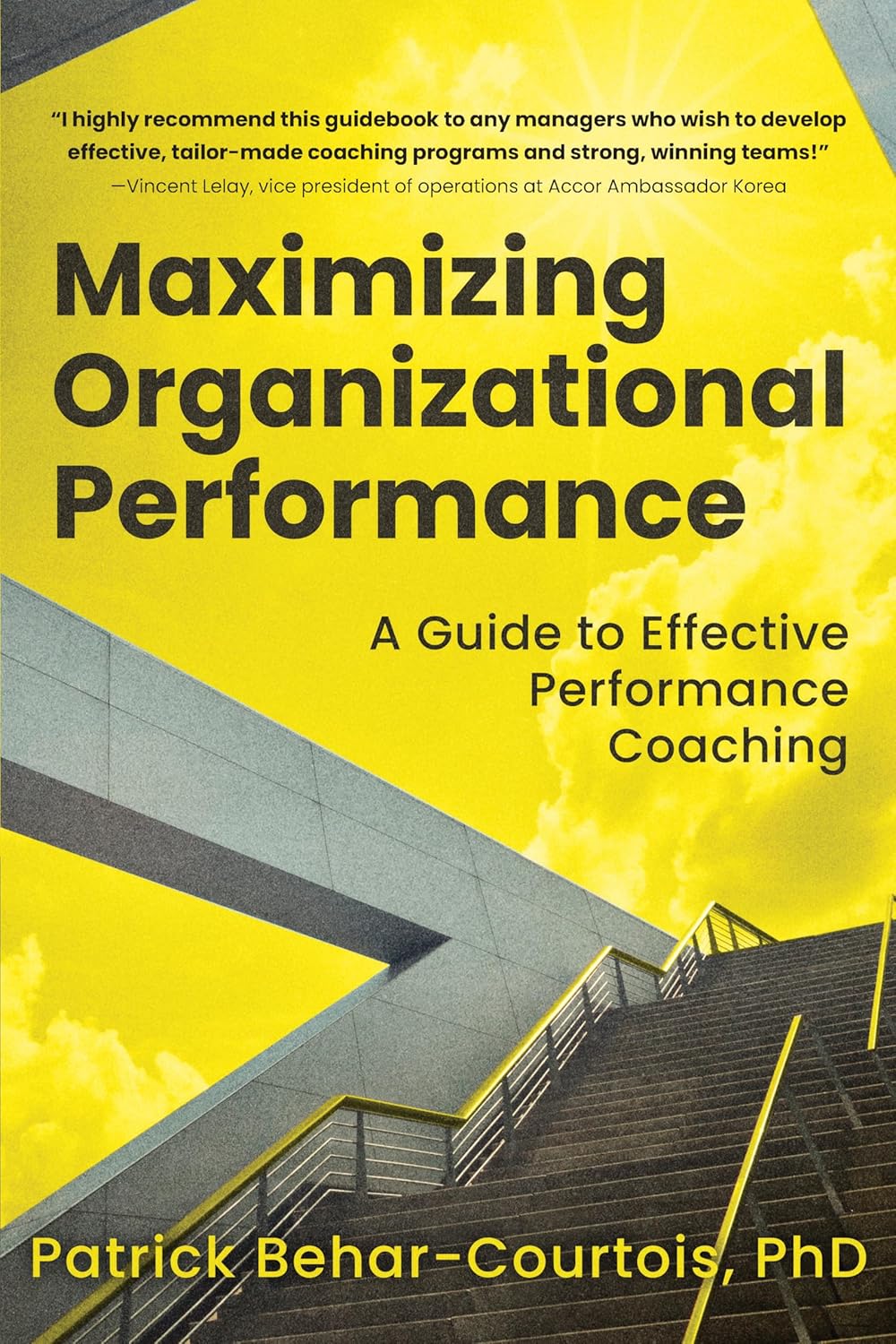
“What do the world’s top leaders have in common? They never stop learning.”

Every organization has its standout leaders—those who inspire teams, navigate challenges with ease, and deliver exceptional results. But what separates these high performers from the rest?

For HR decision-makers and business leaders, understanding what makes these leaders excel isn’t just fascinating—it’s critical for building and nurturing the next generation of talent. The good news? High-performing leaders aren’t born; they’re developed. And their secrets can be applied by anyone willing to learn.

The Habits of High-Performing Leaders

Through research and observation, we’ve identified five habits that set exceptional leaders apart:

  1. They Lead with Purpose
    • High-performing leaders align their personal values with their organization’s mission, creating a sense of purpose that drives everything they do.
    • How to apply it: Reflect on your personal “why” and connect it to your team’s goals. Purpose fuels passion and persistence.
  2. They Prioritize People
    • Exceptional leaders don’t just manage tasks; they empower people. They invest in relationships, foster collaboration, and create an environment where others can thrive.
    • How to apply it: Spend time understanding your team’s strengths, motivations, and challenges. Make development a cornerstone of your leadership.
  3. They Embrace Feedback
    • High performers actively seek out feedback and act on it. They view criticism as an opportunity to grow, not a threat to their authority.
    • How to apply it: Create a feedback loop with your peers, team, and mentors. Model vulnerability by acknowledging areas for improvement.
  4. They Stay Curious
    • Top leaders are lifelong learners. They stay curious, ask questions, and explore new ideas to stay ahead in their field.
    • How to apply it: Dedicate time each week to learning—read industry updates, attend webinars, or experiment with new strategies.
  5. They Build Resilience
    • Great leaders thrive under pressure because they’ve cultivated mental toughness and emotional intelligence. They see setbacks as stepping stones, not roadblocks.
    • How to apply it: Practice mindfulness, reframe challenges as opportunities, and focus on solutions instead of problems.

How Coaching Elevates Leadership Performance

While these habits are valuable, they don’t develop in isolation. Coaching plays a crucial role in helping leaders unlock their full potential. Here’s how:

  1. Personalized Growth Plans
    • Coaches work with leaders to identify their unique strengths and areas for improvement, creating tailored strategies for growth.
  2. Accountability and Reflection
    • A coach helps leaders stay accountable for their goals while providing a safe space for reflection and recalibration.
  3. Skill Development
    • From communication to conflict resolution, coaching equips leaders with the tools they need to navigate complex challenges.

The Ripple Effect of Great Leadership

When leaders improve, their impact extends far beyond their own performance:

  • Teams thrive: Inspired leaders create motivated, engaged teams.
  • Cultures shift: Great leadership fosters trust, collaboration, and innovation.
  • Organizations grow: High-performing leaders drive results, positioning the company for long-term success.

What’s Your Leadership Legacy?

Whether you’re a seasoned leader or an aspiring one, the habits of high performers are within reach. The key is to commit to continuous growth, seek out coaching, and lead with intention.

As an HR leader or business decision-maker, ask yourself:

  • What leadership habits do I want to cultivate?
  • How can I support my team in developing their own leadership potential?

Join the Conversation

What habits have you noticed in high-performing leaders? What challenges have you faced in developing your own leadership skills?

Leave A Comment

Recommended Posts