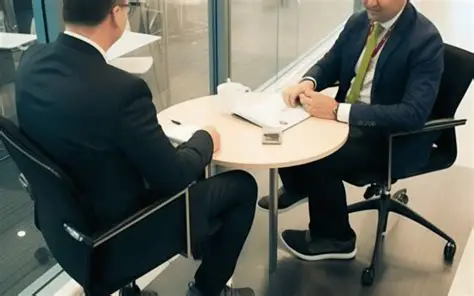
Ask most managers if they have regular one-on-ones with their team and they’ll say yes. Absolutely. Every two weeks, without fail.
Ask their team members what those meetings feel like, and you’ll hear something different.
“It’s basically a status update.” “He talks for most of it.” “I leave feeling informed but not really… heard.” “She asks how things are going and then answers for me.“
The one-on-one is arguably the single highest-leverage tool a manager has. It’s the place where trust is built, problems surface before they become crises, development actually happens, and people feel, or not, like they matter as individuals and not just as resources. Get it right consistently, and you will almost never be blindsided by a resignation, a performance problem, or a team conflict you didn’t see coming.
And yet most managers have never been taught how to run one. They show up, they talk, they share updates, they ask a few questions, they wrap up. The box gets ticked. The meeting happened. Nothing changed.
I sat in on a one-on-one last year at a professional services firm. The manager arrived with a list, his own list, of things to cover. He moved through it efficiently. He was engaged, personable, clearly invested in his team. At the end, he asked his employee: “Anything else from your side?” She said no. They wrapped up in twenty-two minutes.
Afterward I asked her what she’d actually wanted to bring to that meeting. She had three things. A concern about a client relationship that was quietly going sideways. A question about her career direction that had been on her mind for weeks. And a frustration with a team process that was creating invisible rework nobody was talking about.
None of it came up. Not because she was withholding, but because the structure of the meeting never created the space.
That’s the real problem with most one-on-ones. They’re designed, consciously or not, around the manager’s agenda. The employee shows up and adapts to the temperature in the room. If the manager seems busy, they keep it brief. If the manager leads with updates, they follow with updates. If the question is “anything else?” at the end of a packed twenty minutes, the honest answer is almost always “no.“
The most effective one-on-ones I’ve ever seen start with a question, not an agenda. Something like: “What’s most on your mind right now?” Or: “What’s been hardest for you this week?” Or simply: “What do you need from me today?” And then, this is the part that sounds obvious but isn’t. The manager stops talking and genuinely listens. Not waiting for a pause to respond. Actually listening.
The manager’s topics can wait. Or they can be covered in a separate five-minute check-in. The one-on-one is not a project meeting. It is a relationship meeting. The moment you confuse those two things, you’ve lost the most important function it serves.
A few things I consistently recommend to managers who want to transform their one-on-ones: send a short prompt to your team member twenty-four hours before: “What do you want to make sure we cover tomorrow?“. It shifts ownership immediately. Come with at most one or two things on your agenda, and surface them only after the employee has had space to bring what’s theirs. And end not with “anything else?” but with “what are you going to do differently this week?” That question alone changes the accountability dynamic entirely.
The one-on-one meeting is either the most human thing a manager does all week, or it’s a calendar placeholder that slowly erodes trust by pretending to care without actually demonstrating it.
The difference isn’t time. It isn’t frequency. It’s who the meeting is actually for.