The Org Chart Nobody Talks About: The Informal Power Structure
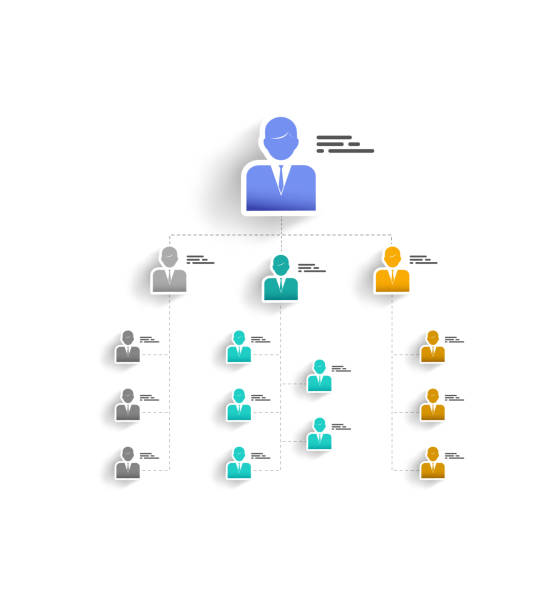
Every organization has two org charts.
The first one is the official version. The one on the intranet, the one in the board presentation, the one that shows who reports to whom and where the accountability lines run. Clean. Logical. Occasionally updated.
The second one is invisible. It doesn’t appear anywhere. Nobody designed it. And it is the one that actually determines how decisions get made, how information flows, which initiatives gain traction, and which ones die quietly despite having full executive sponsorship.
I’ve been mapping these invisible structures for twenty years, and I can tell you with confidence: the leaders who understand both charts are the ones who can actually change things. The ones who only understand the official one spend a lot of time frustrated, wondering why their perfectly rational decisions aren’t being implemented.
The informal power structure is made up of a few recognizable archetypes. There’s the connector, the person everyone talks to before a decision gets made, not because of their title but because they’re trusted, well-networked, and their read on a situation is respected. Their title might be mid-level. Their actual organizational influence is enormous.
There’s the informal veto, the person whose visible support is required for any new initiative to be taken seriously by their peers. They don’t block things formally. They just signal, through body language, through the questions they ask, through a casual comment after a meeting, that they’re not convinced. And somehow, momentum dies.
And there’s the amplifier, the person who, when they get excited about something, carries it through the organization faster and more effectively than any official communication plan. Get them on board early, and your change initiative has wings.
Most change management approaches I’ve seen treat the official org chart as the map. And then they wonder why the territory keeps surprising them.
I was brought into a pharmaceutical company a few years ago to figure out why a well-resourced digital transformation was stalling. The executive team was aligned. The project had budget. The consultants were excellent. On paper, everything was in place.
The problem was that two of the most influential informal leaders in the organization, neither of them in senior positions, had never been brought into the conversation early enough. They hadn’t been consulted, hadn’t been given a chance to shape the direction, and had formed a quiet skepticism that was spreading through the teams they were connected to. They weren’t sabotaging anything. They just weren’t behind it. And their network felt that.
We spent six weeks doing something the official change plan had never included: genuine, unhurried conversations with the people who held informal influence. Not to sell them on the initiative, but to actually listen to their concerns and let their input change the approach. The result was that two of the previously resistant informal leaders became the initiative’s most credible internal advocates. Not because we managed them, but because we respected them.
Here’s what I want leaders to take away from this. Mapping your informal power structure is not manipulation. It’s intelligence. It’s the difference between designing change for the organization as it appears on a slide and designing it for the organization as it actually operates.
Before your next major initiative, ask yourself: who are the three people whose quiet skepticism could quietly sink this? And have you had a real conversation with them yet, not to convince, but to understand?
If the answer is no, that’s where to start.